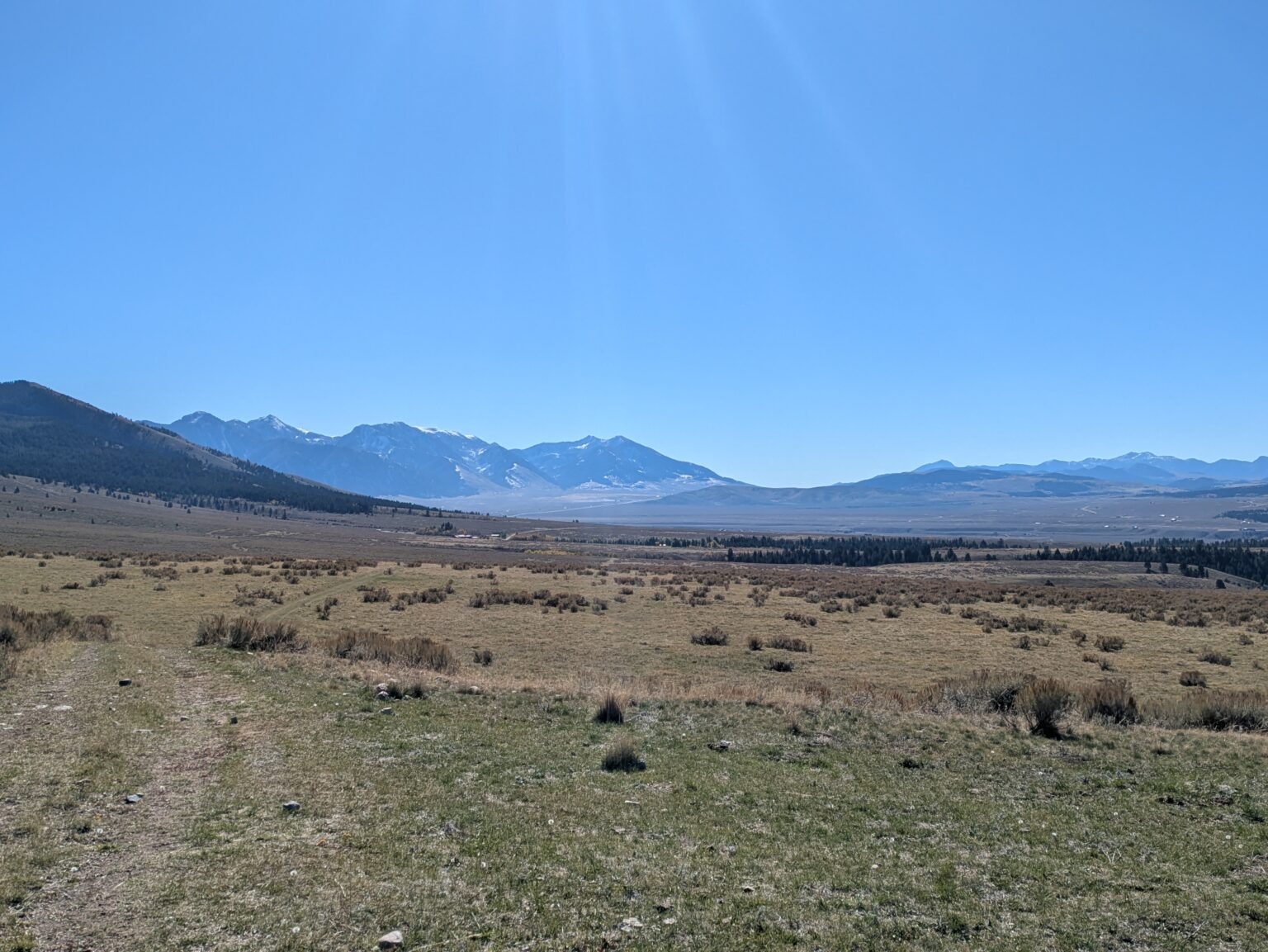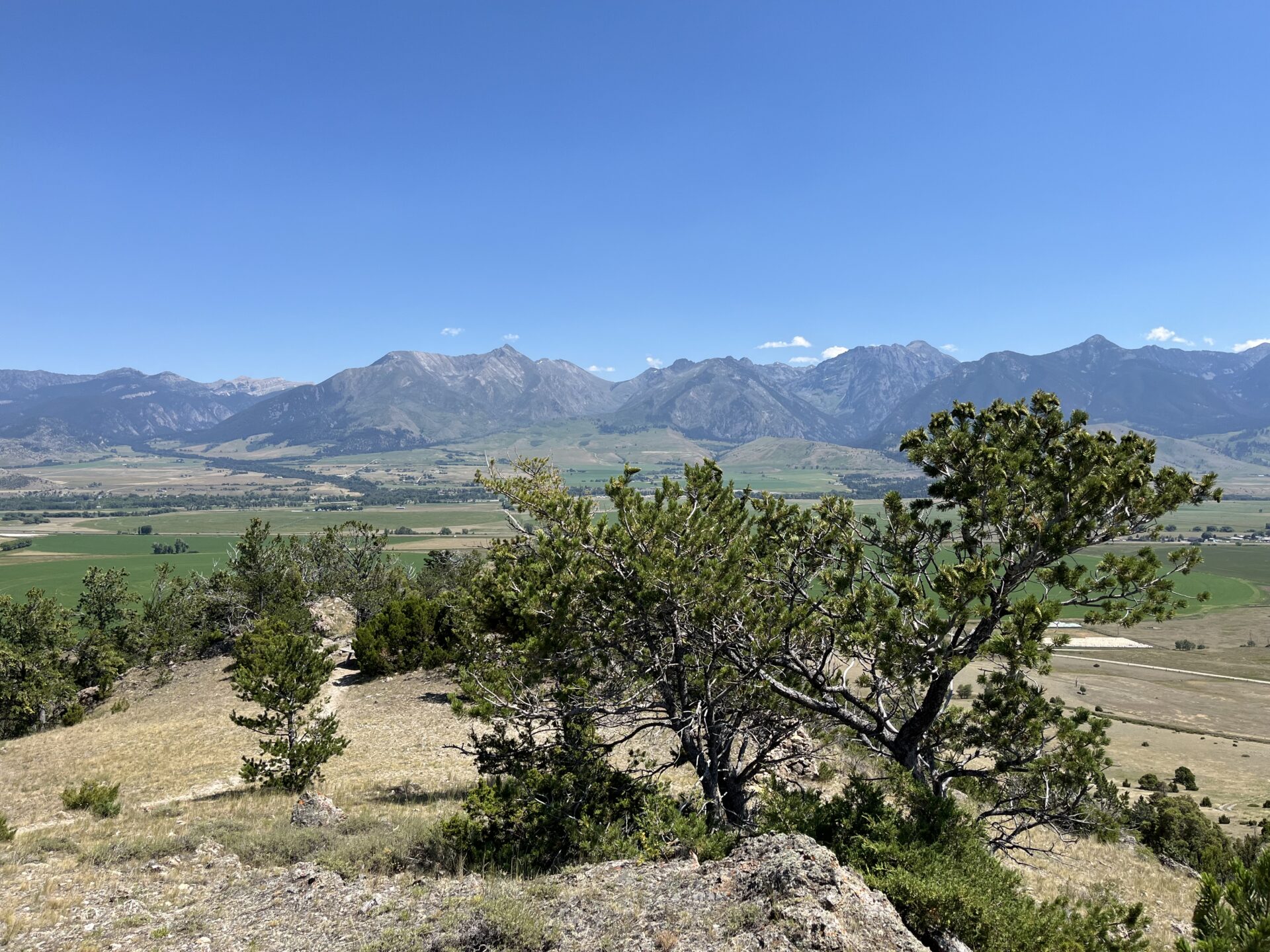
In southwest Montana’s Madison Valley, known for its sweeping views and extraordinary concentrations of wildlife, migration is part of the annual rhythm of the land. Elk, mule deer, and pronghorn move seasonally between high-elevation summer habitat and winter ranges on the broad valley floor, following patterns set generations ago. Wildlife agencies have identified the valley as an important pathway for wildlife traveling to and from habitat at the core of the Greater Yellowstone Ecosystem. But even here, habitat is shrinking. Subdivisions have crept across once-open ground, squeezing the space available for wildlife to move.
That’s where private landowners come in.
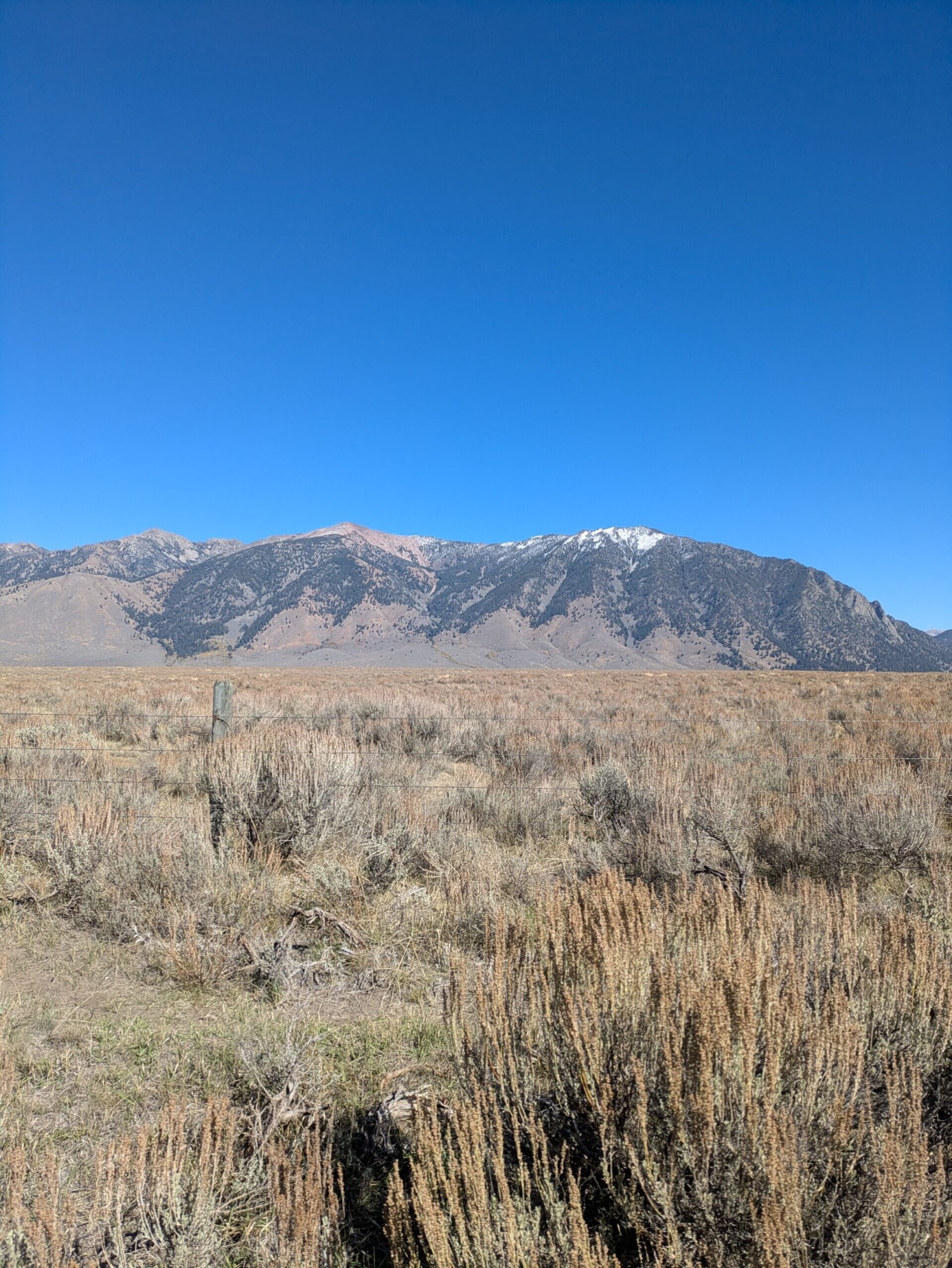
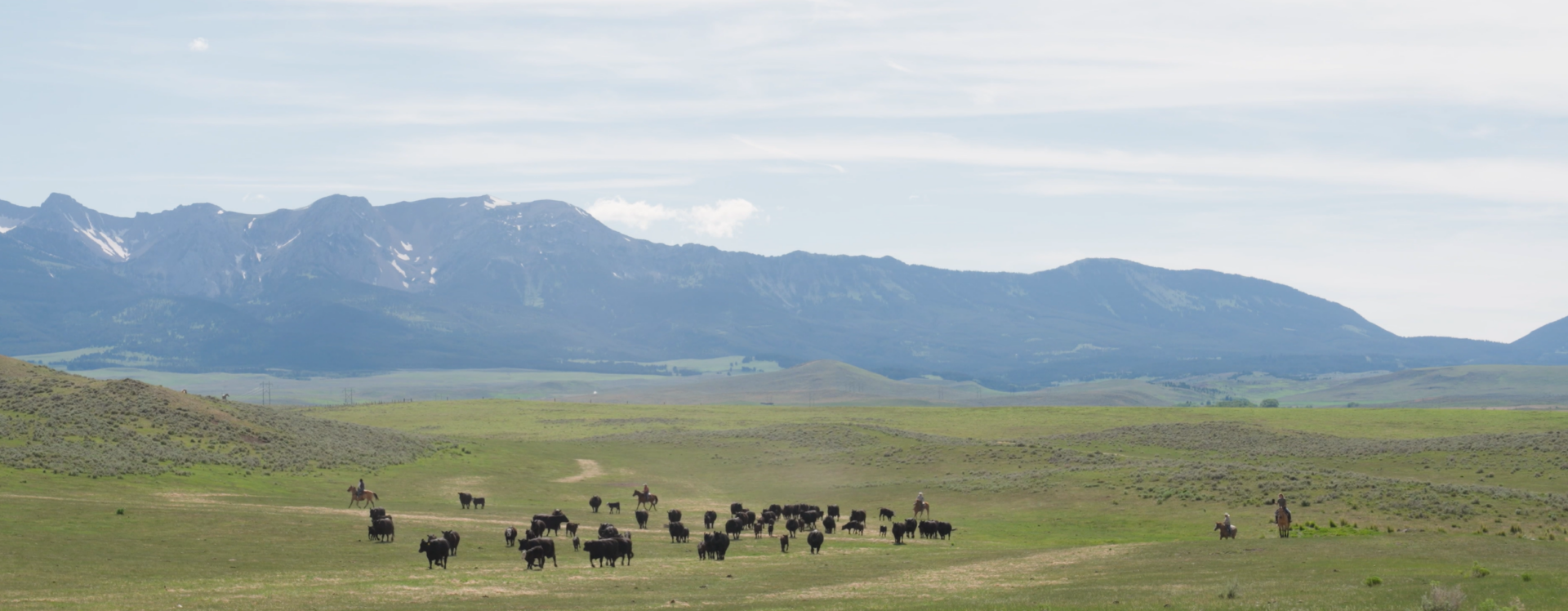
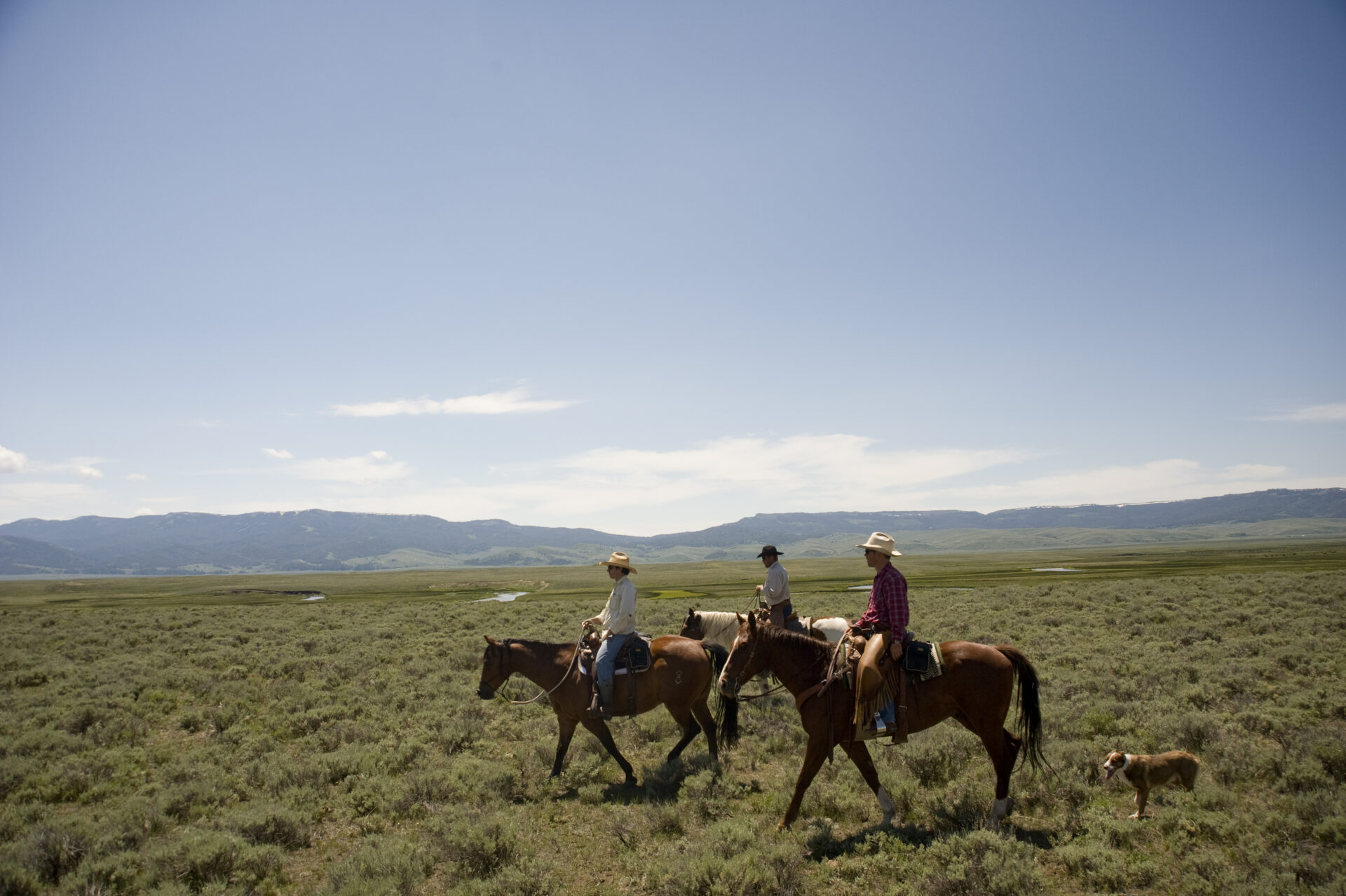
When Bob and Annie Graham purchased Elk Meadows Ranch in 1997, their focus was on conservation and wildlife habitat. They worked with The Montana Land Reliance (MLR) to place a conservation easement on the ranch, ensuring it would remain open and undeveloped forever. Over time, the Grahams purchased nearby properties – some contiguous, some not – placing easements as they went and slowly growing their conservation legacy. With the addition of the Three Dollar Ranch, the Graham’s have protected over 12,000 acres of working lands and wildlife habitat in the upper Madison.
“These properties are an important migration corridor for elk and antelope,” said Marina Smith, longtime ranch manager for the Graham’s. “They don’t waver. They are locked into the same travel pattern every year.”
Set within a natural geological pinch point where the valley narrows between rising public lands on both sides, the ranches play an outsized ecological role. Their boundaries create a bridge between the Lee Metcalf Wilderness and the Beaverhead National Forest and include wide stretches of undeveloped ground that function as a connectivity corridor.
“It’s a pinch point topographically,” said Marina Smith, “but it’s also a pinch point because of development. Having large tracts of private land protected is absolutely critical for giving wildlife a safe, open route through the valley.”
The surrounding area tells a contrasting story. Subdivisions and rapid population growth have interrupted travel routes used by wildlife. Highway 87 – a major artery for visitors headed to Yellowstone – cuts directly across migration paths. “I used to drive to Ennis and not pass a single car,” Smith recalled, “now it’s hundreds.” The hazards are real, and collisions are especially common. “I counted twelve elk killed between the two ranches in two weeks,” she said. “Some years, you see whole herds split and scattered as they try to cross the highway. It just breaks your heart.”
The Grahams’ properties are working ranches that are designed to ease passage for wildlife. Wildlife-friendly fencing – low enough for elk to jump, high enough for pronghorn to slip under – lines their pastures. “Antelope don’t like to jump,” Smith explained. “Keeping that bottom wire at 16 to 18 inches makes all the difference.” Other areas use high-tensile electric fence or four-wire drop fence to allow for migration. Gates along known travel routes are opened each fall for wildlife on the move. “Sometimes they use them, sometimes they don’t,” she laughed. “They’re going where they’ve always gone.”
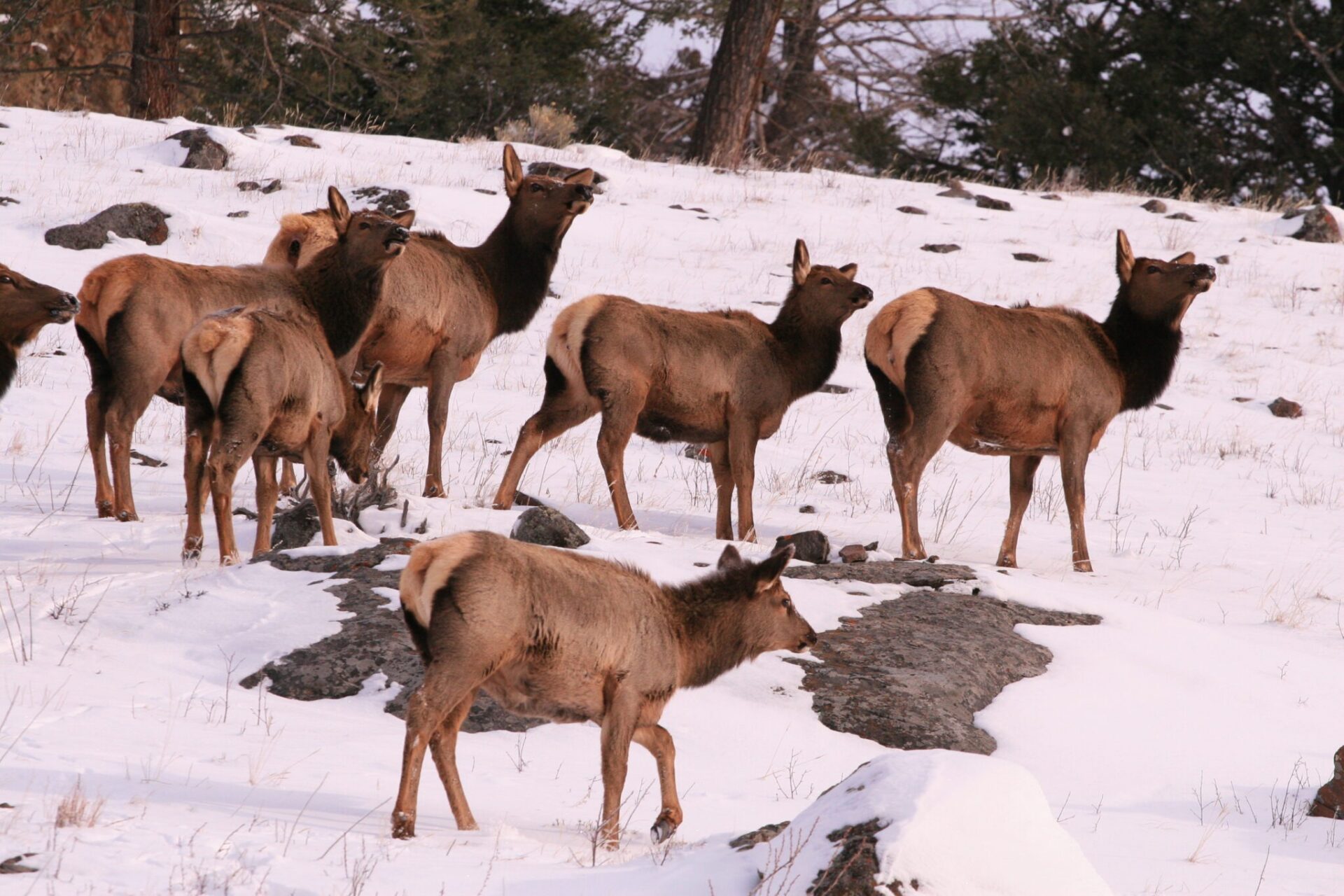
Each autumn, the movement begins. Pronghorn funnel through in fast-moving lines on one of the longest overland migrations in North America. Waves of elk follow. “They come in herds of fifty to three hundred,” Smith said. “When the weather turns, you’ll see big gluts of them. And when one section of trail finally melts out in spring, they just pour back through.” Mule deer slip mostly unseen through the timber, captured on Smith’s trail cameras. White-tailed deer, once uncommon, have steadily increased. Other species rely on the corridor as well. Bighorn sheep move down toward the highway in winter, sometimes dangerously close to traffic. Wolverines, mountain goats, black bears, and rising numbers of grizzlies travel through regularly.
The conservation easements ensure this landscape remains open for wildlife in a valley where development pressure is intensifying. From redesigning fence systems to managing grazing plans with the Natural Resources Conservation Service, Smith has spent decades adjusting operations to support both ranching and wildlife. “It’s been an evolution for me,” she said. “You watch where the animals move, and you try to put openings in the right places. But even then, they’re still going to go where they want to go.”
Across the Madison Valley, this kind of stewardship is what allows Montana’s famed wildlife migrations to endure. With more than 12,000 acres of protected land, the Grahams’ commitment has helped preserve an invaluable migration corridor – land that wildlife has relied on for generations and will continue to depend on as open spaces disappear.
They are not alone. Throughout the valley, many landowners have also chosen to permanently protect their properties, creating an extraordinary network of conserved private lands. Together, easements held by MLR and others form a vast, connected landscape that remains open, productive, and remarkably intact.