2025 Conservation Award Winner
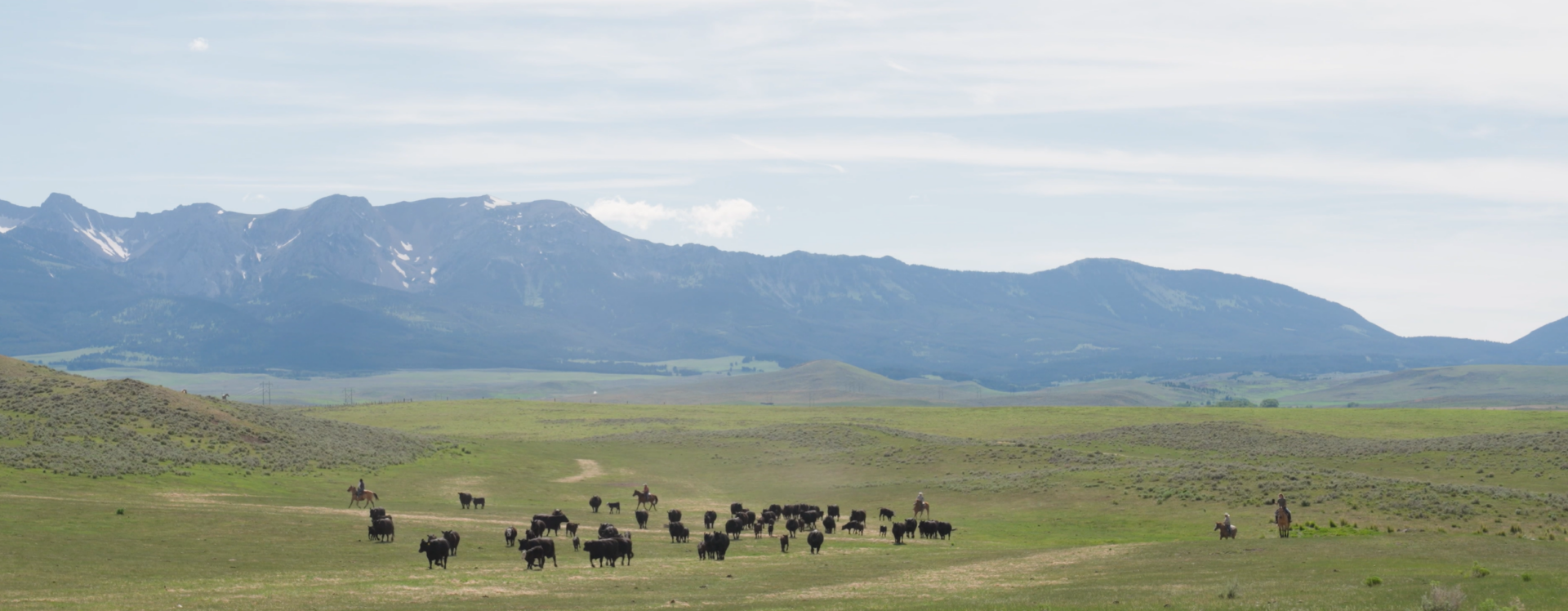
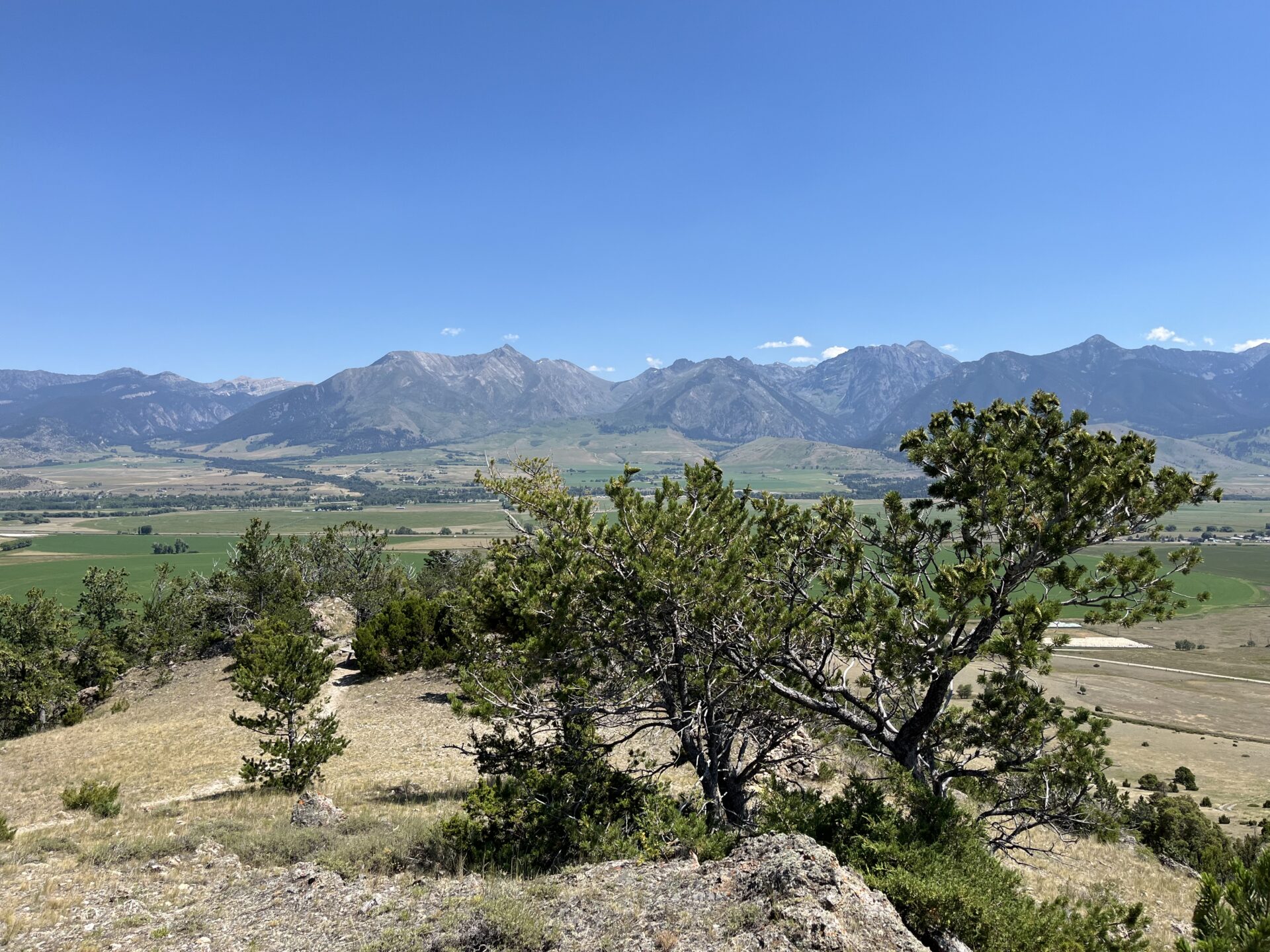
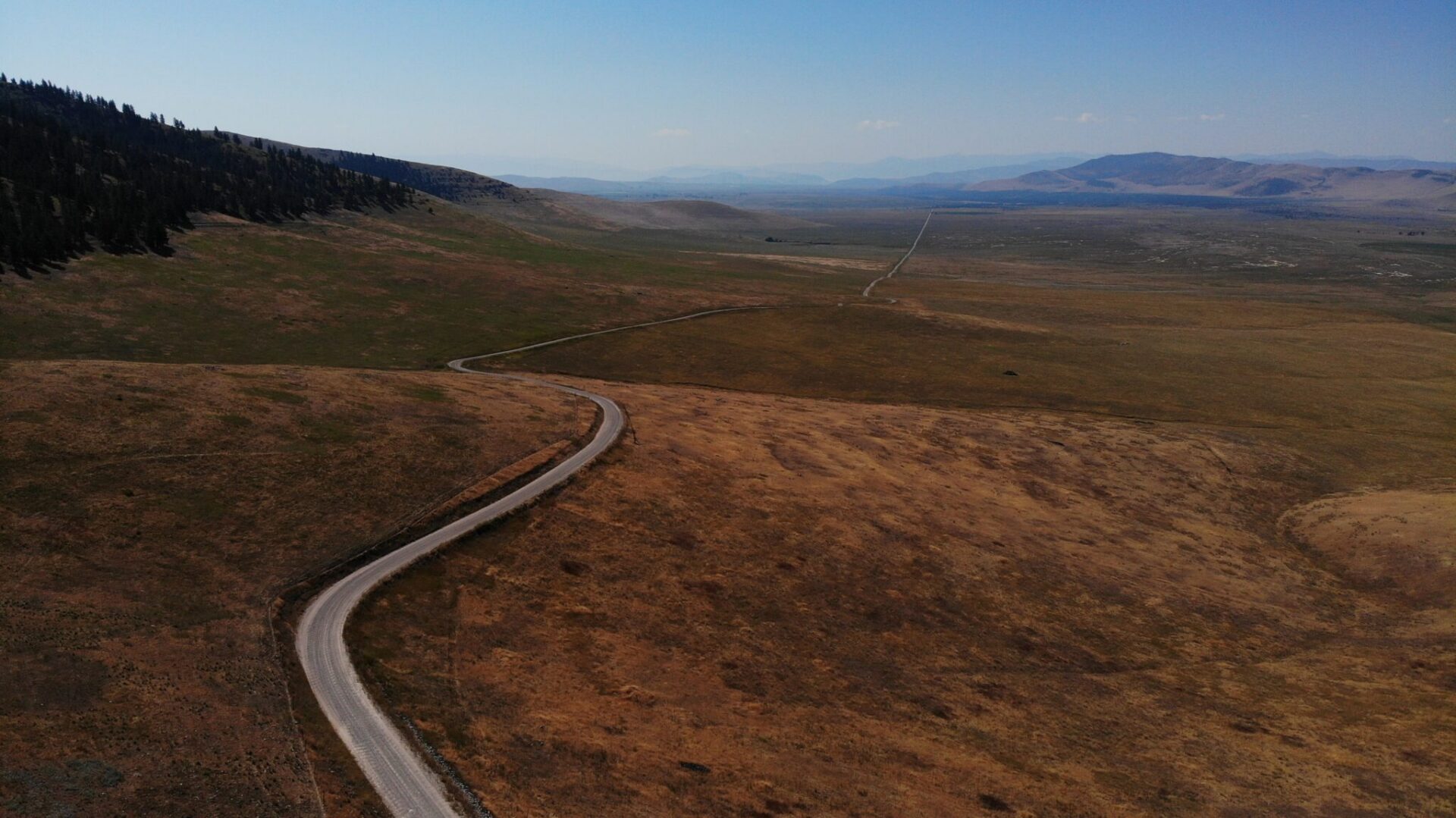
Driving off the beaten path outside of Polson, time winds back 50 years. Wide open fields of native grasslands stretch as far as the eye can see, and the Flathead River glimmers faintly along the distant horizon. Loon Lake, an enclosed 215-acre alkali lake and the ranch’s namesake, lies still and white, so calm it could easily be mistaken for a patch of snow.
That this landscape remains so open is no accident. It reflects decades of deliberate choices made by a family learning, adjusting, and relying on each other to keep a working ranch whole.
A Dream of Ranching
Long before Montana became home, Mac Binger knew he wanted to ranch. It was an idea he had discussed with his wife, Pat, as a new life they might build together. After leaving the Navy in 1970 and attending the Agriculture School at the University of Minnesota, Mac found himself searching for something more grounded.
He had spent some time on a sheep ranch in the Australian Outback during his final tour with the Navy and liked what he saw. “I’ve always enjoyed working with equipment, being outdoors, and being my own boss, and I knew I wanted to work with animals,” he recalled. “So, I started looking for a ranch.”
With this experience and his education in hand, Mac’s dream started to move forward, in large part because Pat could see herself in it, too.
Minnesota, known for dairy farms, offered little opportunity for large-scale ranching, so the pair began looking west. Montana felt different – land was more affordable, the scenery more captivating, and ranching there seemed not only possible, but promising.
Mac began traveling on weekends, touring ranches across eastern Montana with the help of a realtor. Each trip ended the same way: he returned home and reported back to Pat. And each time, after listening carefully, she shook her head. They weren’t just buying land, they were choosing where to build their lives.
Like thousands of other young Americans in the 1970s, we were pursuing our dream. Our dream was a little more involved than just beginning our family or moving into our own home – we were leaving our urban roots, our family, friends, and everything familiar and dear to us.
– Pat Binger
After several unsuccessful trips, their realtor suggested a different option, this time west of the Continental Divide. Near Polson, this ranch checked all their boxes: 5,000 acres, relatively close to town, good schools, and a community where a family could take root.
They purchased the ranch in 1972, piled into their pickup truck with their first daughter, Erika, and headed west.
Learning the Hard Way
The early years on the ranch brought a steep learning curve. When they bought the property, it came with cattle owned by Jack Linkletter, who split the calf crop income with them. The arrangement gave Mac an opportunity to learn, and he sought out additional mentors anywhere he could – neighboring cattlemen, a trusted extension agent in Ronan, and books. Lots of books.
But learning their new way of life wasn’t just Mac’s work – every decision affected the whole family. They had purchased the ranch in winter, and when spring arrived, it revealed overgrazed pastures and widespread invasive weeds.
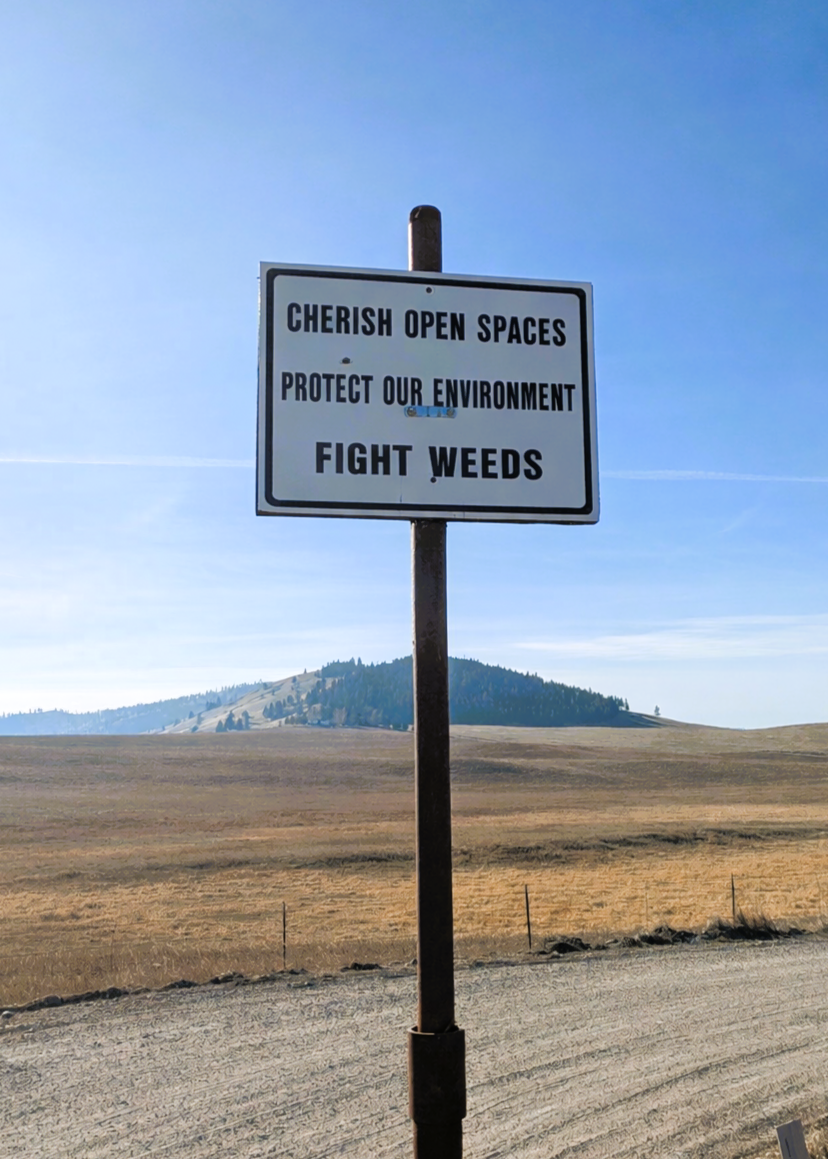
At first, weed control was aggressive. Drawing on his Navy aviation background, Mac learned to fly helicopters in Kalispell so he could spray weeds himself rather than hiring a firm from Missoula. For 20 years, he took to the skies to fight weeds, often helping neighboring ranches as well.
As Mac says via a sign on our property, “Weed-free means: more grass, more wildflowers, better land values.” Our ranch is covered in wildflowers with nutritious grasses that our animals thrive on.
– Pat Binger
When she wasn’t helping Mac on the ranch, Pat had plenty of duties of her own. She was a member of Western Montana Cattlewomen, a 4H leader, active in her church, and supportive of the arts, having commissioned a sculpture of Petra, the Flathead Lake Monster, for the city of Polson to enjoy. As she and Mac welcomed two more children – Meghan and Ben – she was also busy creating a home for the growing family.
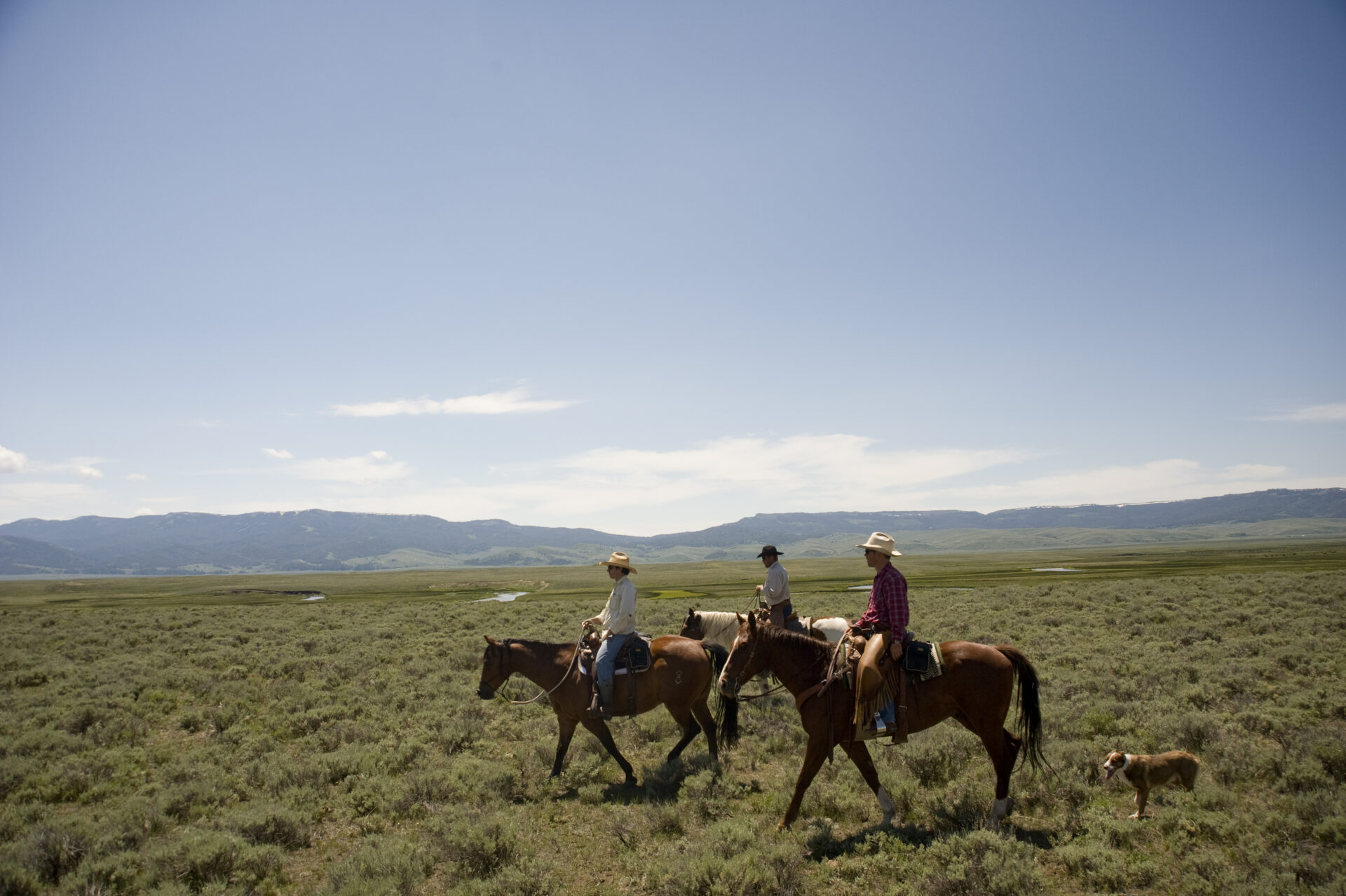
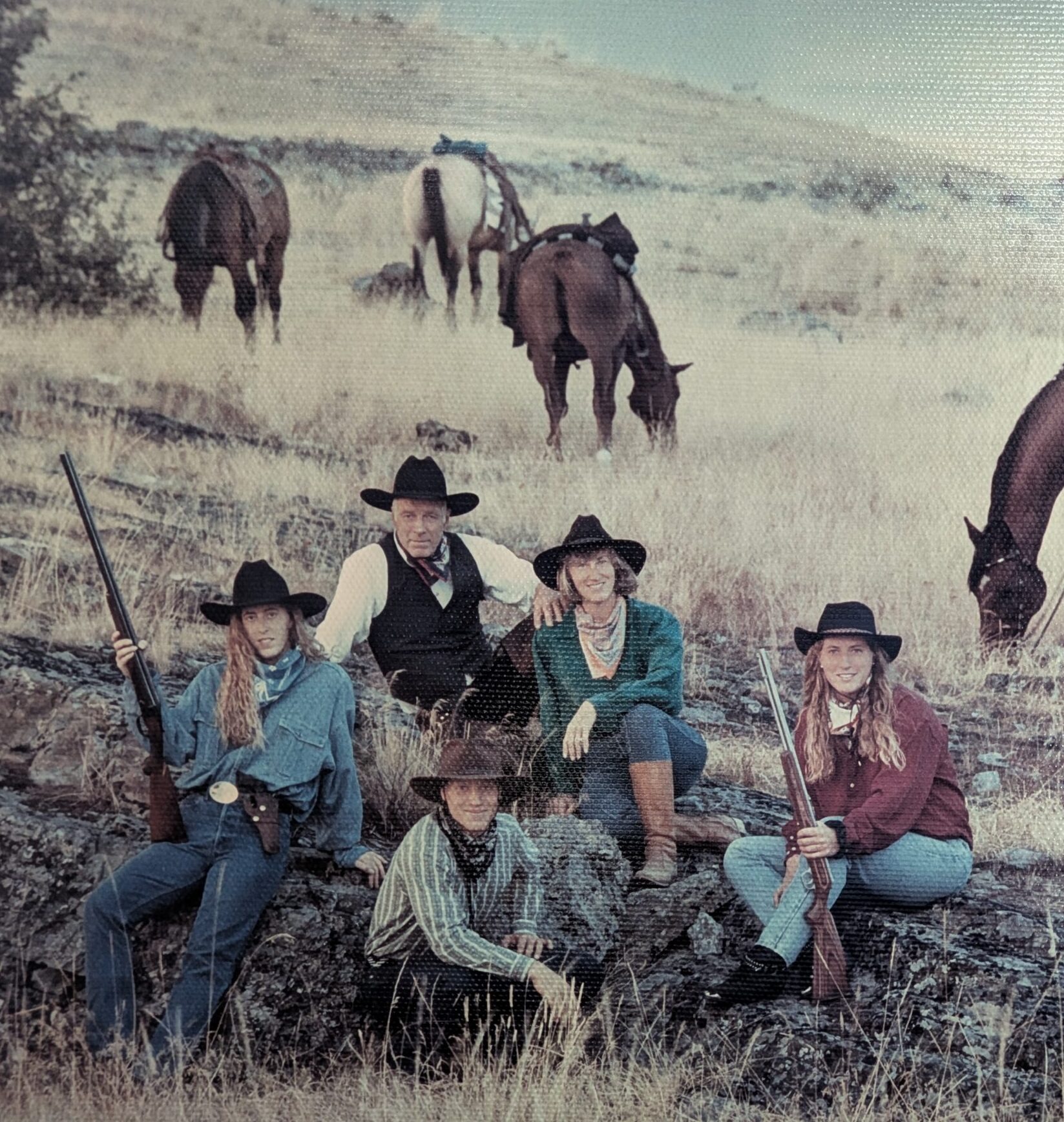
The three children grew up moving cattle, bottle-feeding calves, putting out the occasional fire, and absorbing lessons about self-reliance, cooperation, and responsibility. Their upbringing shaped them – not necessarily into ranchers, but into adults who understood hard work and commitment.
There were plenty of challenging days, too – days when equipment broke, weather turned, and the land itself tested them.
Mac recalled one bitterly cold morning hauling hay after weeks of freezing temperatures. Certain the ice was thick enough, he decided to take a shortcut across Loon Lake with the tractor and feeder. What he didn’t realize was that an underground spring kept one stretch deceptively soft. The ice gave way, and the tractor dropped through and sunk into the mud of the shallow lake.
Mac knew that getting it out wasn’t a one-man job, so he headed back for help. Together, he and Pat returned with their biggest tractor, their D-4 Caterpillar, and their strongest tow chains. For four hours, they worked together to free the machine, Pat driving the Cat and Mac running between the two tractors. Moments like this defined their life together on the ranch, where success didn’t come from independence alone, but from knowing the other person would show up, take the wheel when needed, and stay until the work was done.
Over time, their management on the ranch evolved. Spraying became more targeted and strategic, grazing practices shifted to improve grass health, and stocking rates grew more conservative. Instead of maximizing cattle numbers, Mac learned the value of flexibility – leaving room to respond when tough years inevitably arose.
Ranching is very cyclic, and it would take us a couple of years to establish our own rhythms. These first years were learning years for us. We needed to know how things worked before we could make informed decisions about what could be changed and improved upon and what had to be left alone.
– Pat Binger
Stewardship Over Time
More than five decades later, all their hard-earned knowledge defines how the ranch is managed today. Water development helps disperse cattle and balance grazing pressure. Pastures are sized appropriately and rested intentionally. Weed control follows a ten-year plan. Grass health comes first.
“I try to be aware of the wear and tear cattle put on the ground,” Mac said. “Don’t overstock. Watch the rainfall and temperatures. Leave it better than you found it.”
That ethic extends beyond livestock. Wildlife has always been part of the picture here. Elk move freely across the ranch, deer are abundant, raptors patrol the skies, and bluebirds nest along the road in noticeable numbers, punctuating the landscape with bright flashes of blue.
I learned quickly that being a rancher and a rancher’s wife was an all-consuming role. Every season on the ranch is the busiest.
– Pat Binger
Today, Mac’s pace is different by choice. With his three children pursuing other paths, a neighboring rancher now leases the property for their cow-calf operation.
“They’re doing a great job,” Mac said, “and I still get to go up and do the work that I enjoy.” For him, this means fixing fence, improving water systems, producing a little hay, and managing weeds – from the ground these days.
Keeping the Ranch Whole
The idea of a conservation easement didn’t come all at once. When Mark Schiltz, MLR’s Western Manager, first reached out to the family around 2011, it started as a conversation. The most important part of developing a conservation easement is understanding the landowner’s goals for the land, and over the years, Mac and Pat’s shared vision began to take shape.
One thing was always clear: they never wanted the ranch subdivided. Loon Lake Ranch had grown to more than 15,000 acres, and they had watched as development crept closer – open spaces shrinking, views disappearing, land fragmented beyond repair.
“We’re not making any more land,” Mac stated. “It needs to be protected.”
Sadly, Pat passed away in 2025 before the easement was completed. She is not here to tell this story herself, but through her memoir, Rancher’s Wife: From Minneapolis to Montana, her voice remains part of the story of this place. Her reflections capture the seasons of ranch life – the challenges and joys of building a life there, and the belief that caring for the land is both an obligation and a privilege.
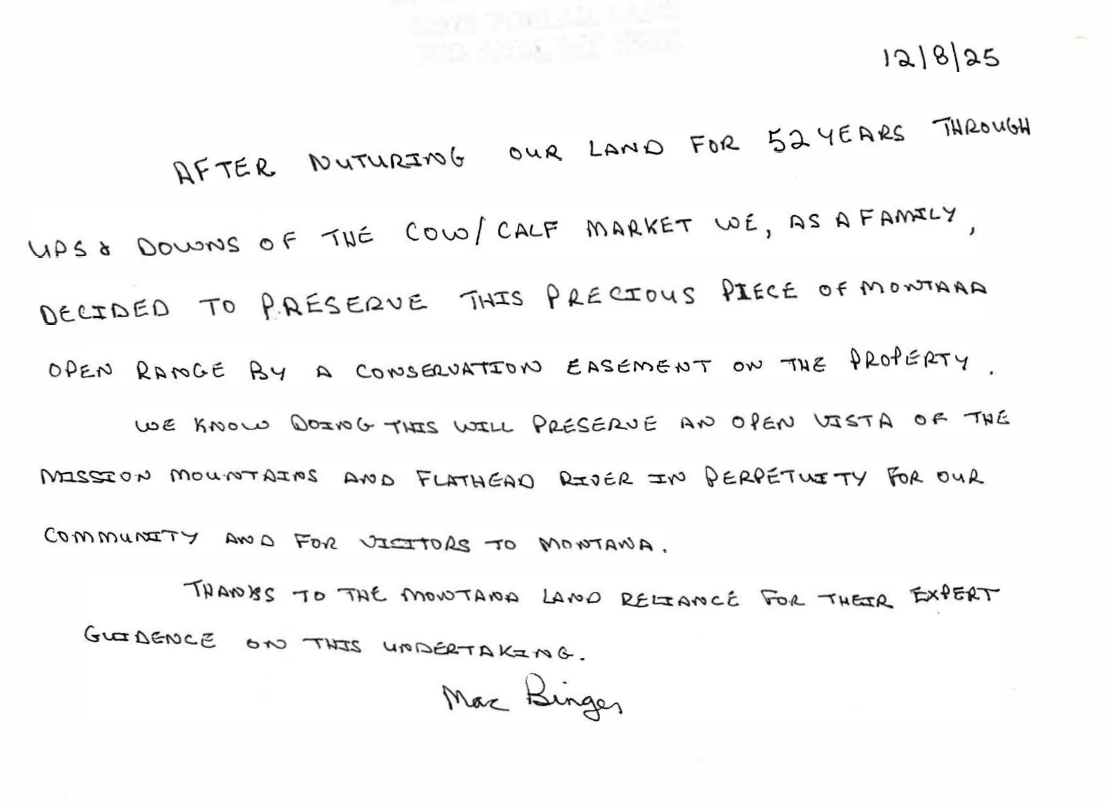
Mac, Erika, Meghan, and Ben finalized the conservation easement together, knowing they were carrying forward something Pat believed in. It reflects a commitment she and Mac held: to leave this place better than they found it, for agriculture, for wildlife, and for anyone who drives by and feels the relief of open space.
The family sees the easement as the best way to keep the ranch intact, working, and open for generations to come. For Mac, it’s not an ending, but the culmination of a lifetime of shared effort.
“Thanks to MLR, we got a good conservation easement in place after a lot of work,” he said. “It’s my duty to protect the land and do it in the best way I can, and I think I’m passing something on that everybody can benefit from.”
In recognition of their outstanding commitment to sustaining productive agricultural lands, conserving open space, and supporting wildlife habitat, MLR is pleased to present the Binger Family with the 2025 Conservation Award. Thanks to their stewardship, Loon Lake Ranch stands as one of the finest examples of open space conservation in the state.
For the public, the impact is both subtle and profound. Because of this easement, the drive outside Polson will always feel the same: unbroken grasslands, wide open views, and the river glimmering faintly along the horizon.
The ranch is a testament to partnership, and to two people who left everything familiar behind to build something lasting together. And because they did, when you turn off the pavement and head toward Loon Lake, it will still feel as though time has wound back 50 years – and always will.
I am forever grateful that Mac did not give up ranching and his dream. I believe all this has provided a rich legacy for our family, and I am so thankful for the many wonderful memories our family has created on the ranch.
– Pat Binger