What wildlife cameras reveal on protected private lands
What happens on Montana’s open landscapes when no one is watching?
For Mark Schiltz, Western Manager with The Montana Land Reliance (MLR), the answer appears on the memory cards of wildlife cameras placed across his family’s property near Bigfork, which is protected by an MLR conservation easement. Over the years, those cameras have captured everything from grizzly bears to Columbia spotted frogs and everything in between, revealing the variety of wildlife thriving on protected private lands.
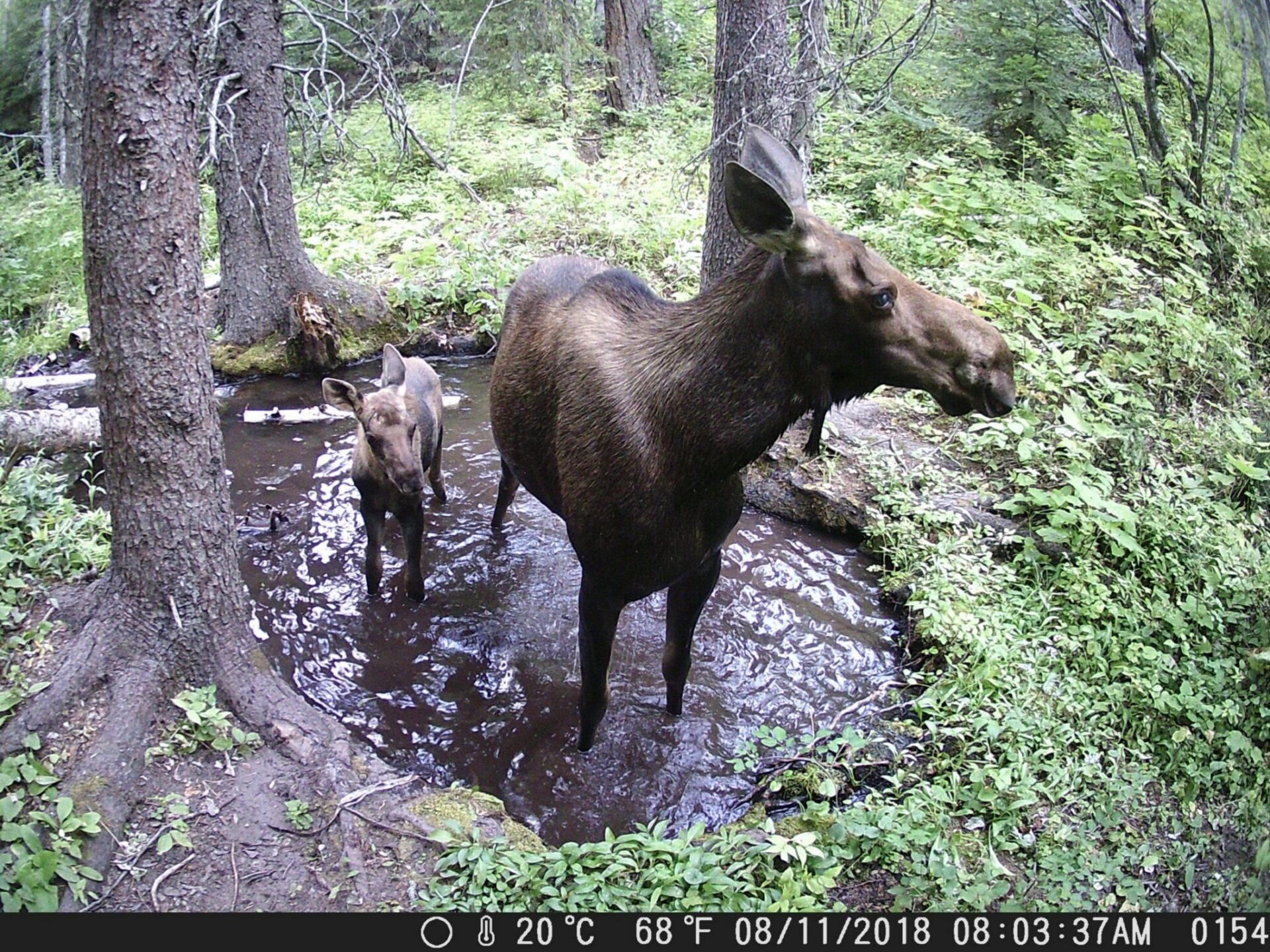
Wildlife camera trapping has become a popular way for landowners to observe animals going about their natural routines. While most game cameras on the market are designed for hunters, many landowners use them simply to learn about the wildlife that shares their property. Set along game trails, near water sources, or tucked into quiet corners of the landscape, the cameras capture moments that would otherwise go unseen.
Schiltz knew that wildlife moved through the property regularly but rarely saw the animals themselves. Curious about what he was missing, he began setting out trail cameras to collect images and video clips of wildlife on the move. Capturing those moments took patience – and careful placement. Through years of trial and error, Schiltz found patterns that helped him determine where to place cameras on his property for the best results.
Some animals appear on camera often. Others are far more elusive.
Repeated videos of whitetail deer can frequently fill a memory card, but weasels are notoriously difficult to capture. Their speed and unpredictable movements enable them to pass through a camera’s field of view before it can take a picture. Even the more commonly seen animals can surprise him with their behavior, like the bears that splash and play in water “like Labrador retrievers” or the sandhill cranes moving through timber.
“I’ve become pretty picky,” he laughed. “A black bear moving through doesn’t excite me anymore, it has to be doing something special.”
For Schiltz, checking the cameras is part of the experience. While newer models use cell service to send notifications as soon as a camera is triggered, he prefers the older models that store images on memory cards. Every few weeks, he takes time to walk the property and check his cameras to see what animals have passed through.
Over time, those images become more than a collection of wildlife sightings. They form a visual record of the land and the animals that move through it. With cameras running in some locations since 2008, Schiltz has watched generations of wildlife pass by, including bears he has seen grow up over the years.
For Schiltz, the cameras offer a new perspective on land he has known his entire life. “Camera trapping gives you a different way of understanding your property and the resources on it,” he said.
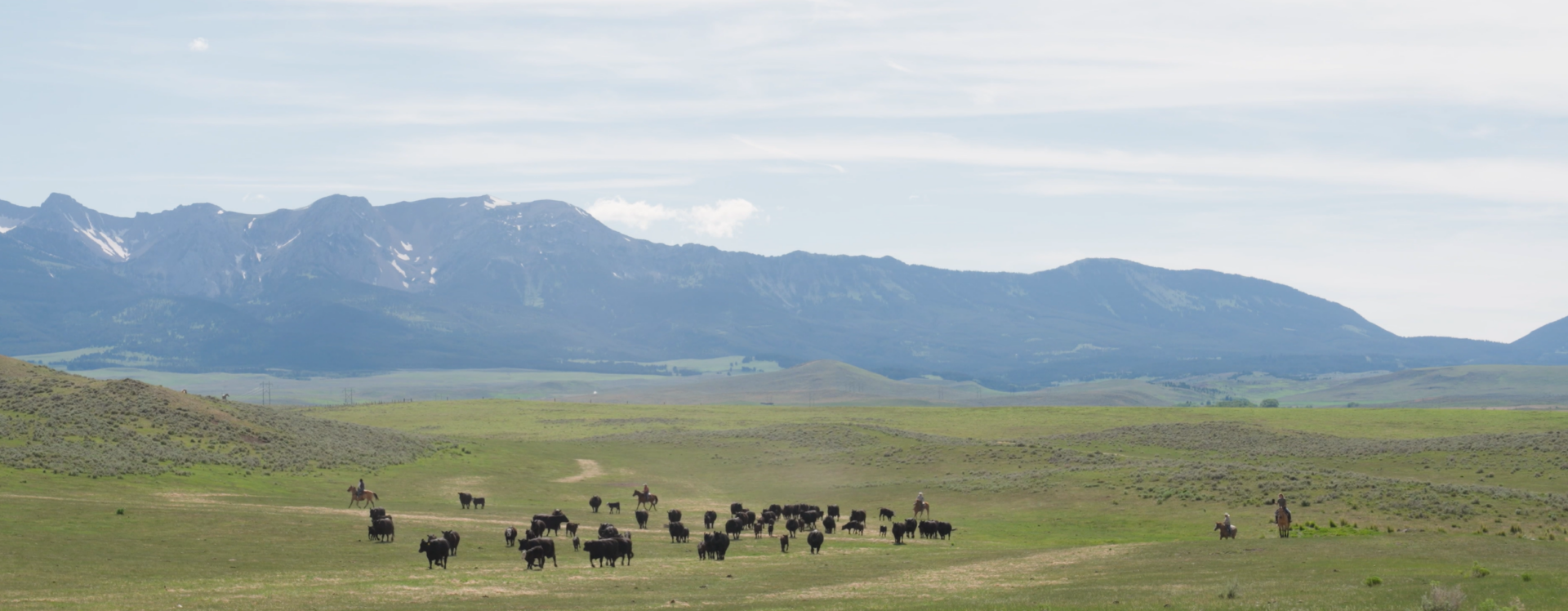
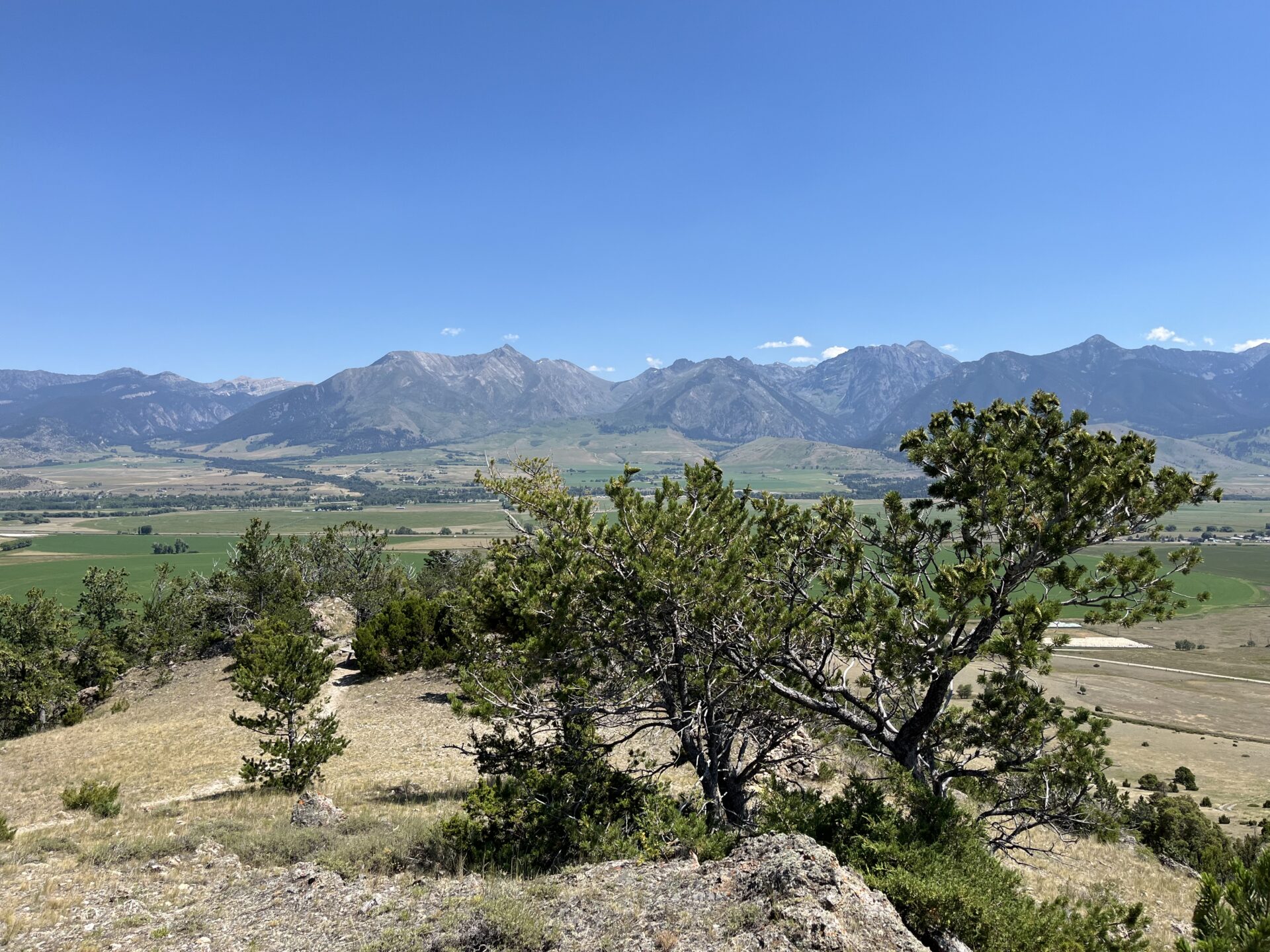
Those quiet glimpses into wildlife activity also illustrate something larger about Montana’s landscape. Through voluntary conservation easements, MLR partners with landowners to permanently protect agricultural lands and scenic open space across the state. Keeping these lands intact and undeveloped also sustains critical habitat, movement corridors, and seasonal ranges, delivering lasting benefits for wildlife across Montana.
“MLR protects scenic open space,” Schiltz said. “But in the process of limiting subdivision and development, conservation easements help maintain the ecologically diverse types of habitat that wildlife depend on.”
As Montana continues to grow, Schiltz believes these protected private lands will become even more important. “Private lands will be a haven for wildlife as places continue to be divided,”
A trail camera may capture only a few seconds of motion. But over time, those brief images tell a powerful story: when Montana’s private lands remain open, wildlife thrives.