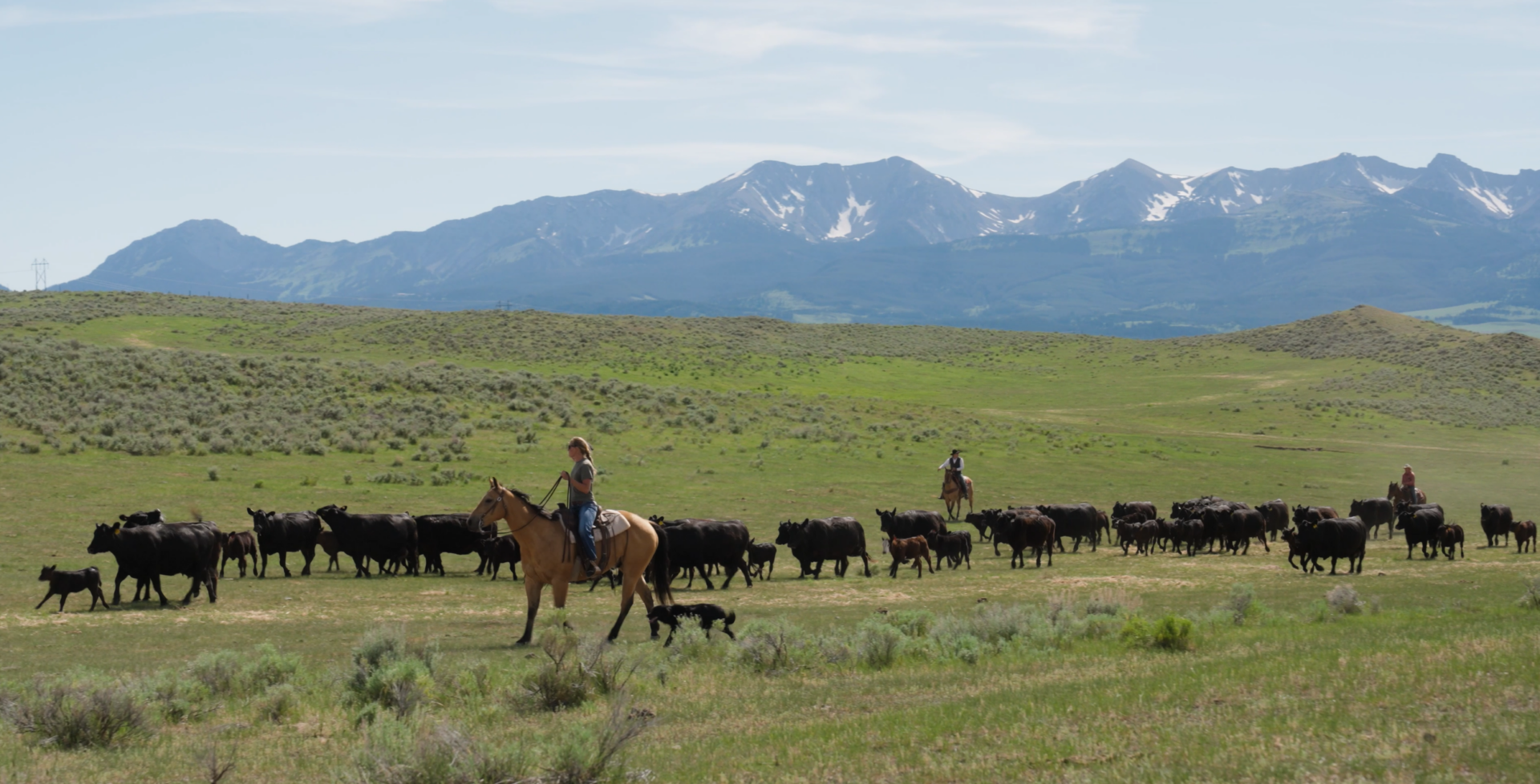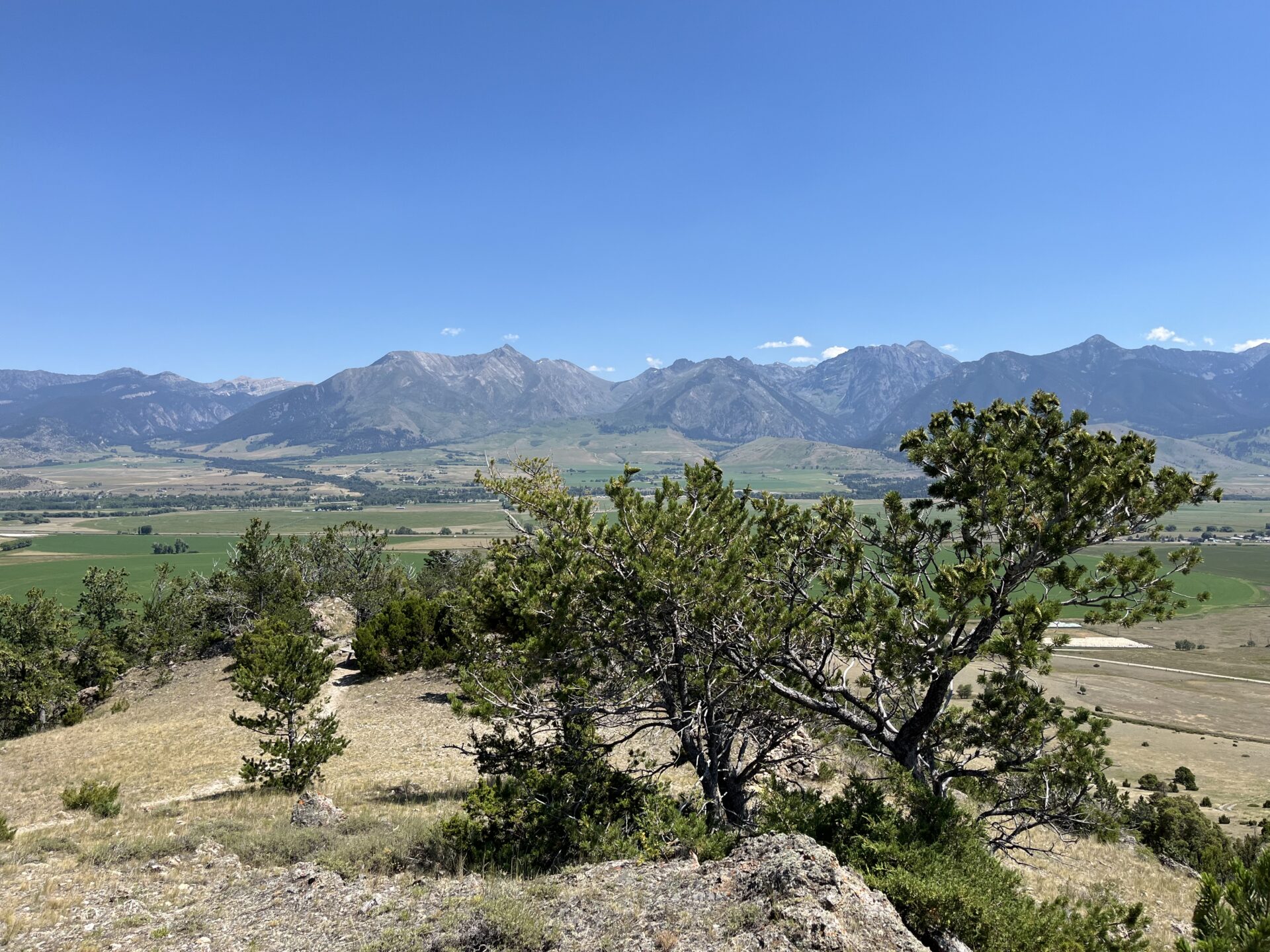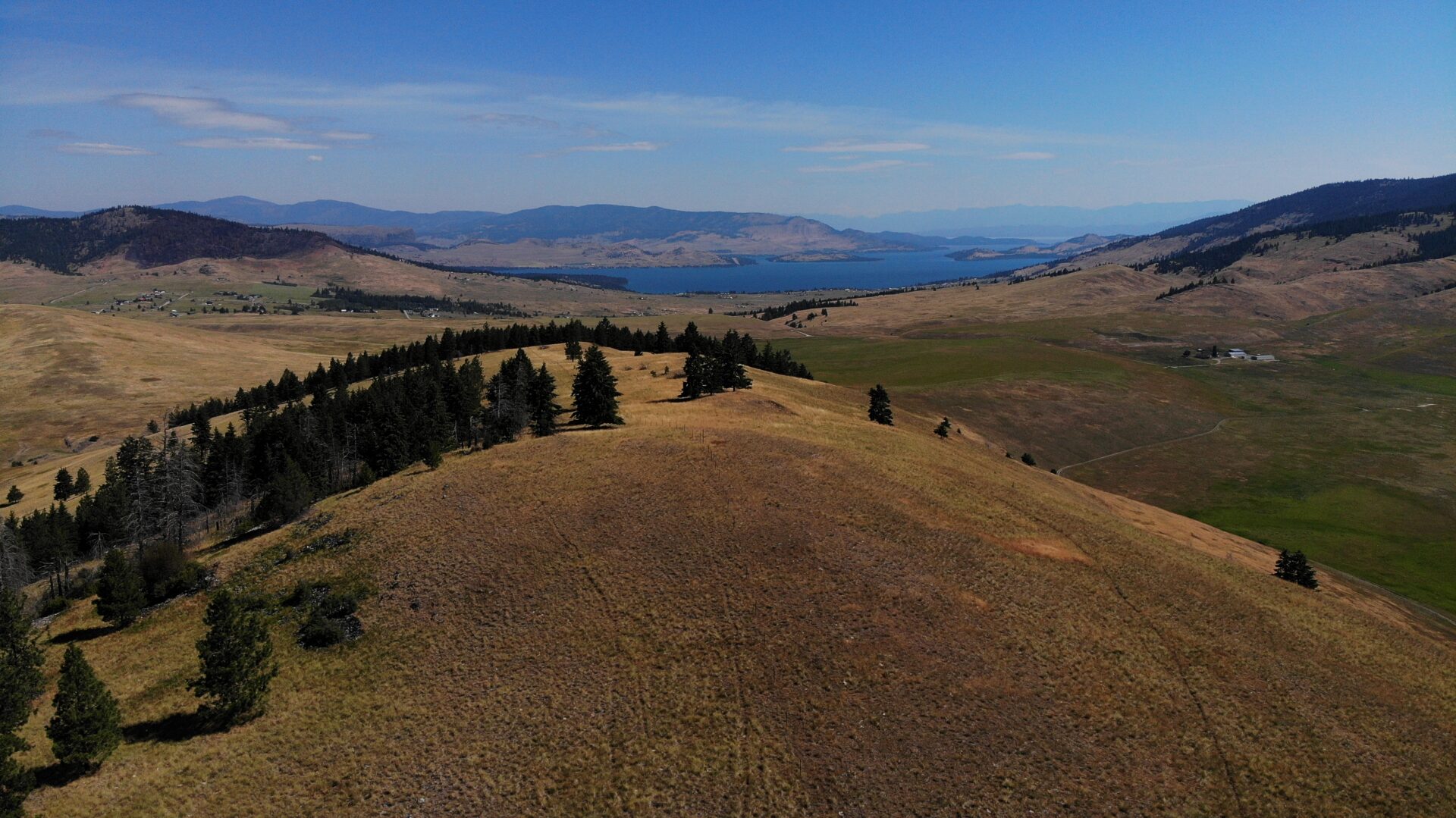
RMW Ranch sits in the broad, sagebrush-blanketed Shields Valley, flanked by two of Montana’s most rugged mountain ranges: the Crazy Mountains to the east and the northern Bridgers to the west. Muddy Creek bisects the property, creating a mosaic of dense riparian vegetation, and water from this perennial tributary is the lifeblood of this arid working landscape. With Bozeman only a 45-minute drive away, the 6,900-acre ranch sits squarely within the crosshairs of fragmentation and development. Thanks to the foresight of the ranch’s owners, and the persistence of its longtime lessee, Cleve Swandal, the property was permanently protected earlier this year in partnership with The Montana Land Reliance.
Montana is an ag state at heart, and keeping ranch operations viable requires enough land, in large enough pieces, to give producers the opportunity to make a living. The cost of land is making that increasingly difficult, creating financial constraints for young producers working in agriculture. That math is especially unforgiving in a place like the Shields Valley, where dry, high elevation range can require dozens of acres to support a single cow-calf pair. Leasing grass provides another path, making large, intact properties critically important to producers who rely on land they don’t own to support their operation.

Losing a ranch like RMW means losing the kind of scale that makes leasing a working ranch possible. Perpetual conservation easements can help preserve that opportunity. While an easement doesn’t determine who owns or works the land, it does protect properties from subdivision and fragmentation, helping maintain the large acreages producers depend on. Even when a landowner isn’t actively involved in agriculture, properties protected by a conservation easement remain available for a farmer or rancher to lease and work.
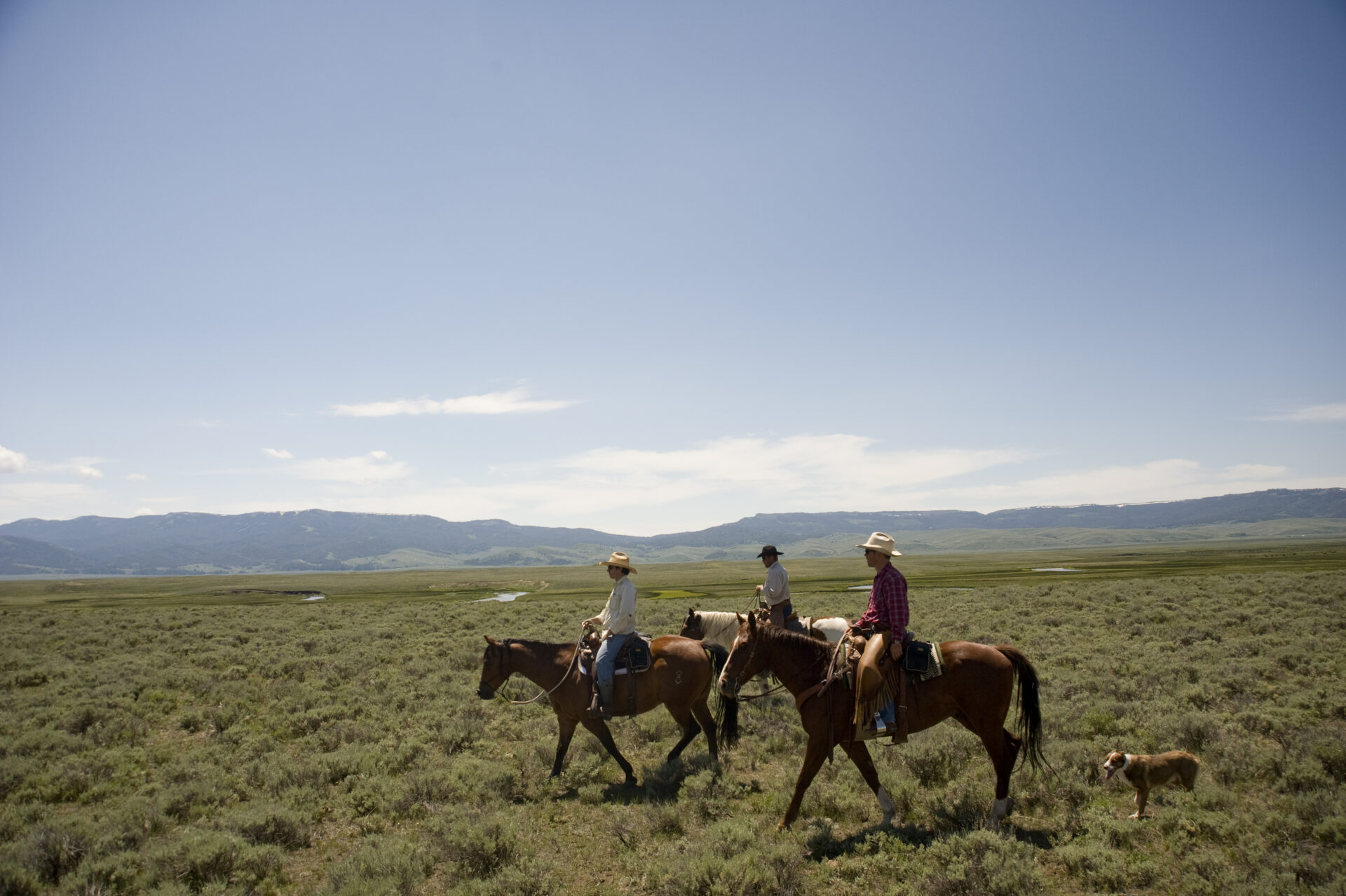
A fourth-generation rancher, Cleve has built his operation around a combination of owned and leased land, running cattle and putting up hay across RMW’s pivot fields. Knowing the ranch will remain a large, workable piece of ground forever brought a sense of certainty.
“It will keep that ground together for us to continue to do our business,” Cleve said. “It’s a huge relief just knowing that it’s going to be stable and whole forever.”
The benefits can extend from one operation to the next. Cleve’s family produces hay on the conserved ground, using what they need and selling the rest to other cattle producers around the Shields Valley. In this way, one piece of protected working land helps support multiple operations, bolstering the network of producers who keep the valley’s agricultural economy going.
Conservation easements can help families make long-term decisions about their property while preserving opportunities for farmers and ranchers, including future generations who may lease the land. For the family who owns RMW Ranch, their reason for conserving the property was simple: they love Montana, and they believe agriculture is central to both its communities and its culture.
And for Cleve, the lasting opportunity is what makes easements such an important tool.
“As these conservation easements come to fruition and hold these blocks of ground together, I’d say it’s invaluable for the future of agriculture,” he said. “If I’m not there, at least somebody down the road is able to continue on with that tradition.”
Keeping working lands whole is an investment in Montana’s future. It helps ensure that agriculture can thrive and that future generations will have a chance to continue Montana’s agricultural tradition. It also helps protect habitat for fish and wildlife, Montana’s iconic open spaces, and clean air and water. You don’t have to own a farm or ranch to benefit from that.
Keep It Montana by keeping the land working.