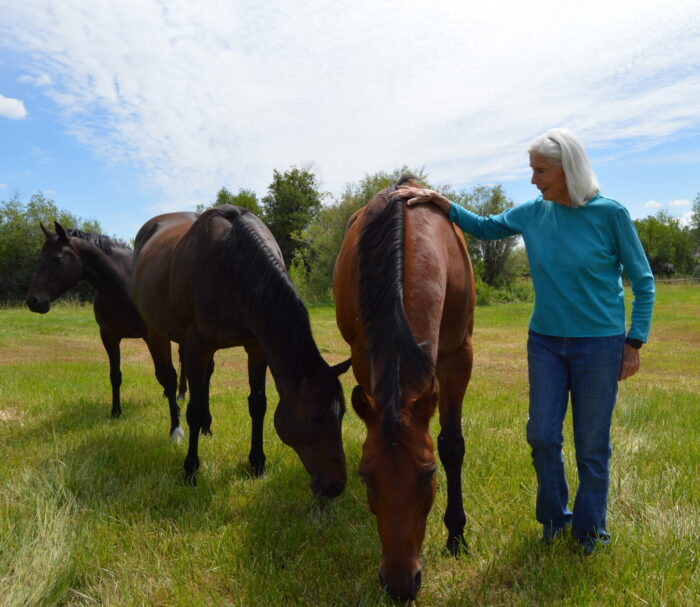
When Ruth Lott decided to conserve River Ranch, the first thing she did was call her neighbors.
“I hosted a gathering at my home so everyone could hear what Chad had to say,” she said, referring to MLR’s Southwest Manager. “I’m hoping my decision to conserve this place will have a domino effect.”
Originally from the East Coast, Ruth witnessed firsthand how rapidly things can change. “I watched my very rural part of Chester County, Pennsylvania become swallowed by development almost as dramatically as Bozeman has,” she said. “You have to live it to understand how quickly the land can vanish.” The experience inspired her to conserve her place in Pennsylvania – Snapfinger Farm – before she moved west.
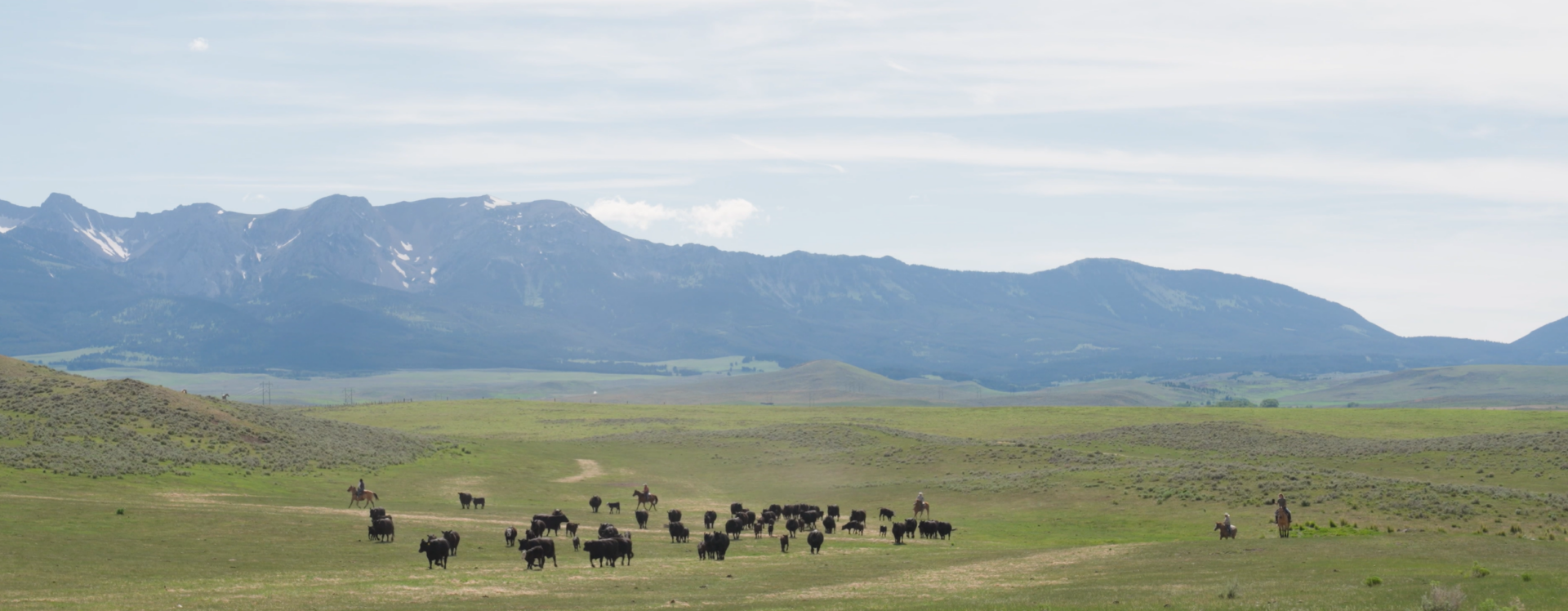
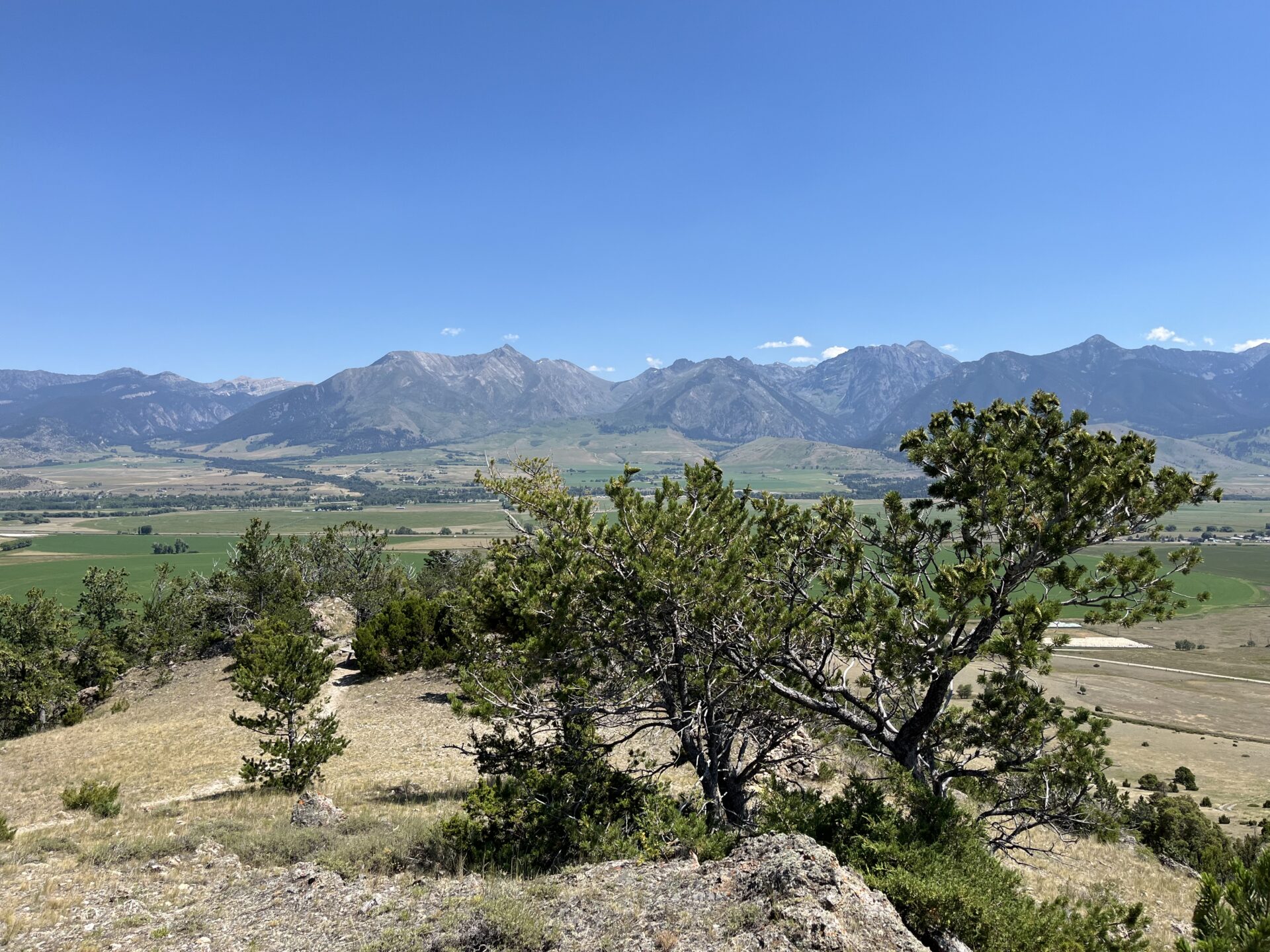
That small meeting seems to have planted a seed. Her neighbor, whose property lines up with Ruth’s across the river, has made plans to conserve her land. Together, the properties will create a haven of nearly 400 acres for moose, deer, turkeys, sandhill cranes, herons, and countless other wild neighbors, protecting both banks along roughly a mile of the Jefferson River.
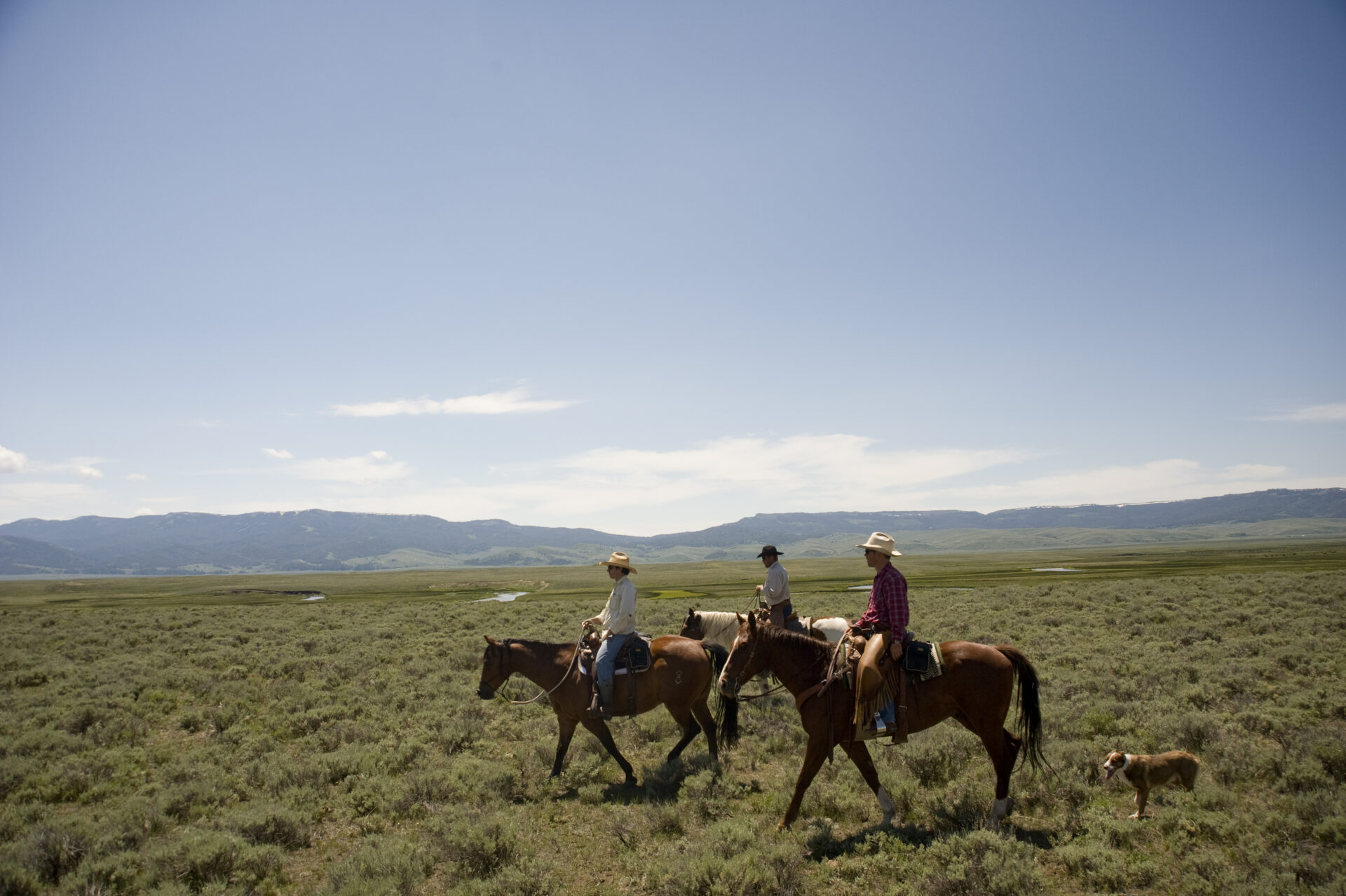
Conservation is often thought of in terms of numbers – acres of land, miles of streambank, populations of wildlife – but what’s harder to calculate is the community it supports and strengthens. In this area, neighbors look out for each other. The young rancher who grazes his cows on River Ranch in the summer also manages the irrigation of the pastures, and another friend makes sure the hay Ruth puts up for her horses is cut, baled, and stacked.
She was delighted by the flexibility of the plan MLR offered her, noting that conservation easements don’t restrict all use. In fact, they help sustain local economies and a rural way of life.
In many ways, the decision to protect her land was simply another expression of the way Ruth has lived her life. She believes in rolling up her sleeves and asking how things can be better – not just for herself, but for everyone.
“Change is hard. Growth is hard,” she said. “But when people come together around a shared vision, amazing things can happen.”
Community is at the heart of her story. From helping improve the local grocery store’s offerings (“Cowboys eat quiche now,” she joked) to supporting the arts, her actions are rooted in a consistent ethic: communities thrive when people care enough to contribute, and to collaborate. “It’s about raising your hand in a happy way,” she said.
That belief in doing more than what’s expected is one she returns to often, referencing a blog post by Seth Godin on the idea of “unreasonable effort.” As an example, she mentioned a chamber music concert that she handmade note-shaped chocolates for – 422 of them – so there would be two on every seat. “All I did was make chocolate,” she recalled with a smile, “but everyone loved it.” That kind of effort isn’t sustainable all the time, she admitted, but sometimes, going the extra mile creates joy and connection in a way that lasts.
That same spirit shows up in her involvement with the arts. As a board member of Montana Chamber Music and one of the founders of Gold Junction Presents, she sees a lot of value in bringing the arts out into rural communities. She introduced Montana Shakespeare in the Parks to Whitehall and was relentless in persuading Gold Junction Presents to host classical music concerts in her community. She believes art and conservation share common ground: they both unite people around something worth preserving.
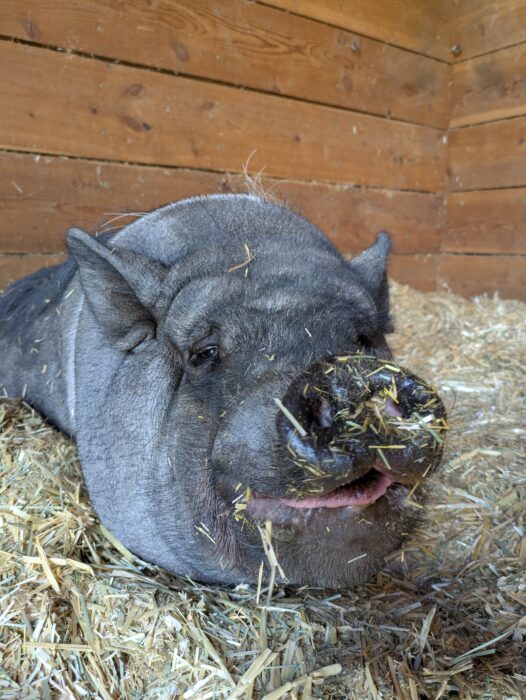
At 80, she’s still working hard and looking ahead. Her land has given her a great life, and conserving it felt like the right way to give something back. Today, she shares her appreciation with three beautiful horses, Henry the rescue pig, Buddy the Jack Russell, Tigger the cat, Rowdy the Golden Retriever puppy, eight unnamed chickens, and the wildlife that feel safe enough to wander by her back deck – all alongside her wonderful neighbors and community.
“Being connected to the land has given me a great life,” she says. “Conserving it is how I say thank you.”